What This Service Involves
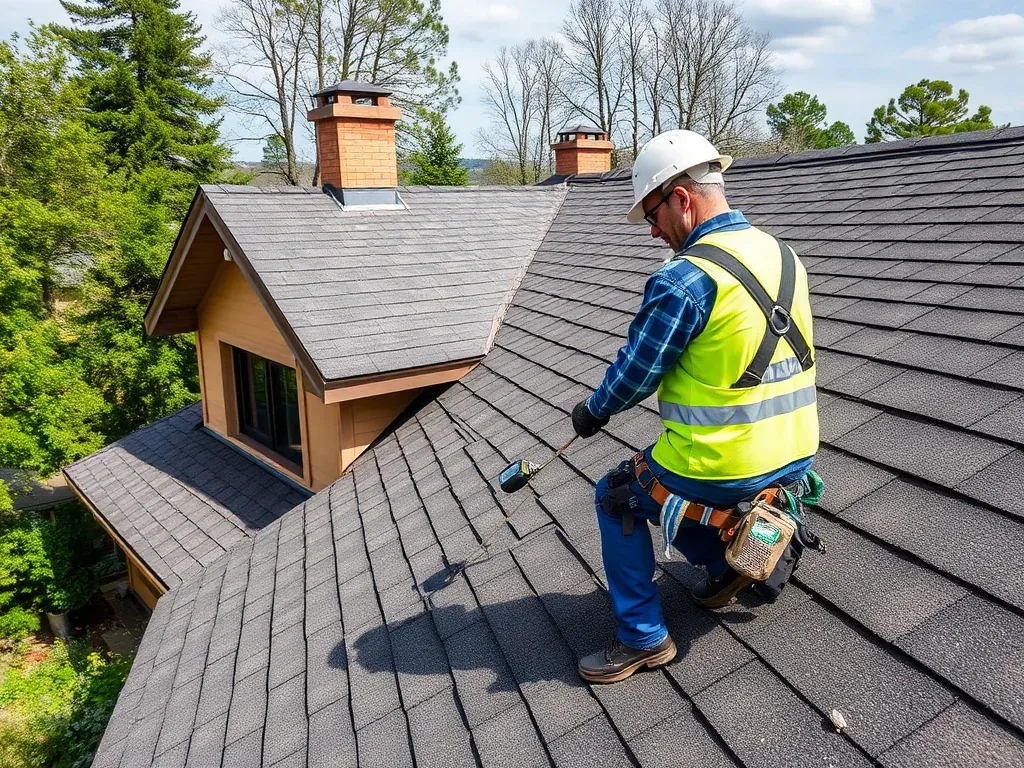
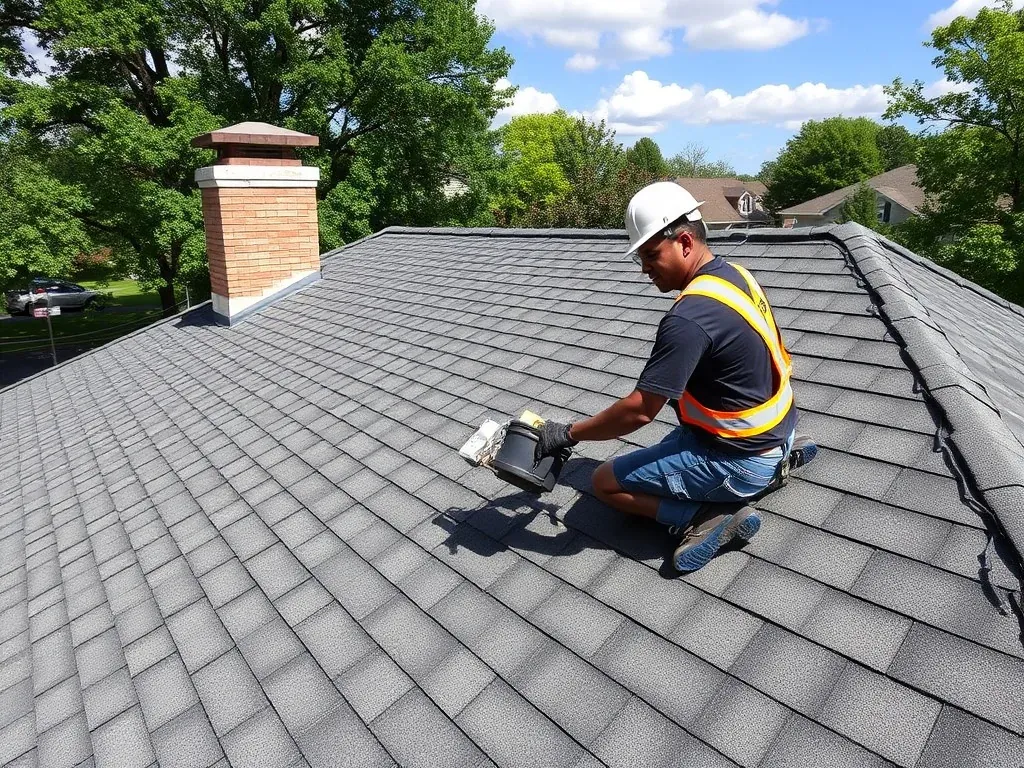
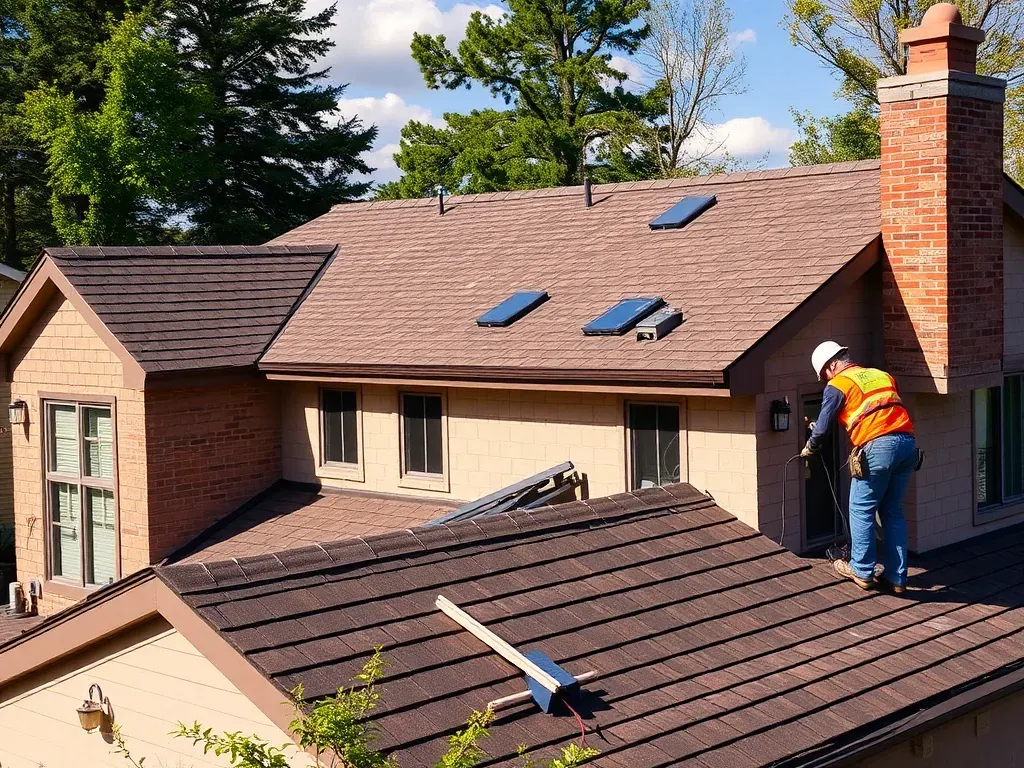
When storm damage strikes your roof, the adjuster's approval hinges on comprehensive claim documentation. We perform a thorough roof inspection, documenting every area of wind damage or hail impact using drone photo packages and ground-level photography. This documentation captures the condition of the roof deck, underlayment, ice-and-water shield, flashing, and ridge cap.
We identify damage across all material types—asphalt shingles, architectural shingles, three-tab shingles, wood shakes, cedar shake, slate, tile, clay tile, concrete tile, metal panels, standing-seam panels, corrugated panels, and built-up roofs with modified bitumen or tar. Each material shows different failure modes. Wind uplift peels back shingles or punctures membranes. Hail creates fractures in granules and substrate. Water wicks into the roof deck, damaging plywood or OSB sheathing underneath.
Our crew traces the failure path: where water seeped into eaves, how it compromised soffit and fascia, whether it penetrated the attic or wall cavities. We prepare Xactimate scope documentation with line-item estimates for materials, labor, structural repairs, and disposal of debris. Mitigation—emergency tarping—is our first step if the roof is actively leaking or compromised.
Signs Your Roof Sustained Storm Damage
After a storm, inspect these areas for damage indicators:
- Wind uplift tears shingles from the decking, leaving exposed underlayment and roof deck visible at the rake and eaves.
- Hail impact fractures asphalt shingles and dents metal panels, creating punctures that compromise the weatherproofing seal.
- Ice dam leaks appear at eaves and valleys, where melting snow backs up behind ice barriers in winter.
- Missing or curled shingles create gaps where water enters through breaks in the roofline and into the attic.
- Visible light through the attic ceiling indicates holes or separations in the roof deck substrate.
- Granules in gutters and downspouts show that hail has eroded the protective layer on asphalt shingles.
- Water stains on interior ceilings reveal that rain has seeped through the membrane into living spaces.
- Debris from fallen branches or tree impact may pierce the roof deck, compromising flashing around chimneys, skylights, or vent boots.
Our Documentation and Claims Process
Step one is a comprehensive roof inspection using proven methods. We photograph damage, measure affected areas, and create a detailed scope of work listing materials (whether asphalt or metal), labor, and any necessary structural repairs. We use HAAG-certified inspector standards or equivalent protocols.
We prepare the proof of loss documentation your insurance company requires. This itemizes the roof estimate, labor costs, materials, and any substrate replacement needed due to rot or decay in the roof deck. When the adjuster arrives, we're present to walk the roofline, answer technical questions about step flashing, counter-flashing, chimney flashing, pipe flashing, and other details, ensuring the scope reflects actual damage.
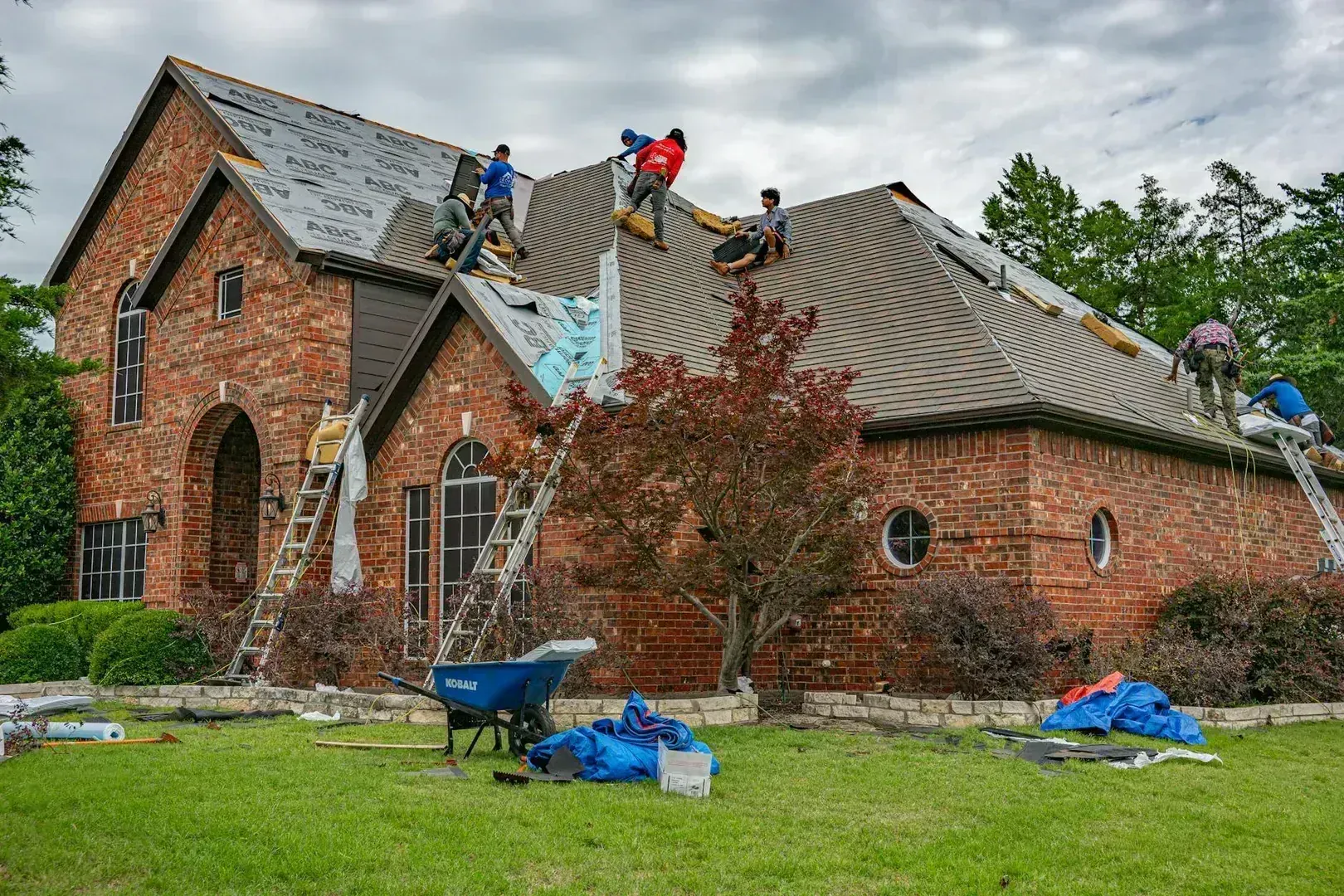
Supplements often emerge during tear-off. Additional damage—rot in rafters or joists, compromised ridge beam, failed synthetic underlayment—justifies a supplemental claim. We document these with photographs, notify the adjuster, and negotiate recovery. Many Hillsborough homes have roofs with hip or gable framing that creates valleys and ridge vents; damage at these junction points often requires supplemental approval.
Deductibles and Coverage
Your insurance deductible is what you pay out-of-pocket before the insurance company covers repair or replacement costs—typically $500 to $2,500. Some policies impose higher deductibles for wind or hail damage. Review your proof of loss carefully to understand your financial responsibility.
Coverage varies by policy. Most homeowner policies cover sudden, accidental storm damage but exclude maintenance failures. If your asphalt shingles were already aging, the adjuster assigns depreciation, reducing your replacement cost payout. New materials receive full replacement value; older materials receive depreciated value based on age and condition.
Policy coverage may limit certain materials or repair methods. If your roof uses cedar shake, slate, or specialty tile materials, check whether your policy covers replacement in kind or substitutes asphalt alternatives. We help you understand what your policy pays and identify opportunities to maximize recovery.
Supplements and Depreciation Recovery
Depreciation works against you. A 15-year-old roof with 25-year shingles may be depreciated by 40–60%, reducing your payout. We calculate actual replacement cost and compare it to the depreciated value, then build a case for recovering the full amount. In cases of extensive damage or unfair depreciation formulas, we negotiate with the adjuster for supplements.
Additional damage often emerges during repair. Rot in the roof deck, compromised underlayment, missing ice-and-water shield, failed drip edge, or damaged roof cement around flashing all justify supplemental claims. We document everything with photos and obtain adjuster approval before proceeding with permanent repair.
Preparing for Your Adjuster Visit
Schedule your adjuster as soon as possible after filing the claim. Gather documentation: photos of exterior damage, interior water stains, notes about when damage occurred. Keep receipts for emergency tarping, mitigation expenses, and any temporary repairs—these are typically covered by insurance.
We coordinate with your adjuster to ensure our roof inspection findings align with theirs. If discrepancies arise, we provide technical explanation: how ice dams form at the eave, why step flashing failure leads to water intrusion at the chimney, how poor ventilation at the ridge vent or soffit vent accelerates damage. Our detailed scope of work becomes the negotiation foundation.
For emergency situations involving hail, wind, or tree impact, we deploy emergency tarping and board-up services if needed. This temporary weatherproofing prevents secondary damage, protects your claim from denial due to negligence, and buys time for the permanent roof replacement or repair.
Local Storm Risks in Hillsborough
Heavy snow and ice dam risks define winter roofing in Hillsborough. Freeze-thaw cycles stress flashing seals, compress insulation in the attic, and force water into soffit vents and skylights. In neighborhoods like Clover Hill and Country Club Estates, mid-century ranches and colonial-style homes have varying roof pitches and dormer configurations that channel water differently during melt cycles.
Spring and summer bring frequent thunderstorms with hail that fractures asphalt shingles and dimples metal roofing. Humid summers promote algae and moss growth on roof surfaces, complicating damage assessment and potentially affecting insurance adjustments. Trees near Sourland Mountain and along Royce Brook create additional hazards—falling branches pierce roof decks and compromise flashing at parapet or canopy areas.
Hillsborough's building code requires permits for roof replacement and structural repairs. If damage exceeds 30% of the roof deck area, engineer review may be mandated. We handle all permit coordination and inspections, ensuring your claim restoration meets local code requirements and passes final inspection.
Materials and Tools We Document
Storm damage assessment requires understanding the materials at risk. We inspect asphalt, bitumen, felt, and roofing felt used in built-up roofs. We examine TPO, EPDM, and PVC membranes on flat or low-slope roofs. We assess metal roofing—standing-seam and corrugated panels—for dents, punctures, and fastener damage. For specialty materials like slate or cedar shake, we use ITEL shingle sampling protocols to verify damage patterns and justify replacement in kind.
Our crew uses standard roofing tools to document and perform emergency work: roof estimate software, nail guns, air compressors, pry bars, ladders, safety harnesses, and roofing shovels for debris removal into dumpsters. For aerial documentation, we deploy drone photo packages that capture ridge lines, valleys, chimneys, and parapet edges from multiple angles—critical evidence for adjuster and insurance approval.
Why Timing Matters for Your Claim
Insurance claims have deadlines. Most policies require claim filing within 1–3 years of the loss, and coverage may be denied if you delay documenting or repairing damage. Water intrusion progresses rapidly: within days, rot and decay set in on roof deck substrate, and mold can develop in attic insulation and structural framing. Immediate mitigation—tarping and temporary repairs—stops the clock on secondary damage.
The sooner we inspect and document, the stronger your claim. Adjuster negotiations proceed faster when you have clear photographic proof, professional scope documentation, and detailed repair estimates. Call 908-676-6663 today if your roof has sustained storm damage.
Signs You Need Insurance Claim Assistance
Active Leak During Storm
Water dripping from ceiling or visible seepage into attic during heavy rain indicates your roof membrane or flashing has failed. This requires immediate tarping to prevent secondary damage and emergency documentation for your insurance claim.
Missing Roof Sections
Wind uplift can tear shingles or panels away entirely, exposing the roof deck and underlayment. Without emergency tarping, water wicks rapidly into the substrate and structural framing, escalating repair costs and insurance claims.
Hail Impact Marks
Hail fractures asphalt shingles and dents metal panels, creating punctures that compromise weatherproofing. In Hillsborough's spring and summer thunderstorms, hail damage spreads across multiple roof sections and qualifies for full replacement coverage.
Tree Impact or Debris
Fallen branches, limbs, or debris piercing the roof deck create holes and compromise the seal at flashing and ridge cap areas. This storm damage often justifies emergency tarping and full roof replacement under comprehensive coverage.
Water Stains on Ceilings
Brown or yellow stains on interior ceilings indicate that water has already seeped through the roof membrane and into the attic insulation. Immediate documentation is critical—photos must capture both exterior damage and interior water intrusion for your claim.
Granules in Gutters
Wind and hail strike asphalt shingles, dislodging granules that collect in gutters and downspouts. Heavy granule loss accelerates decay of the underlying bitumen and felt, weakening the roof's waterproofing. This warrants roof inspection and claim documentation.
What's Included
- ✓ 24-hour emergency response to your home after storm damage is reported.
- ✓ Emergency tarping to prevent water intrusion into the attic and living spaces.
- ✓ Professional roof inspection with detailed damage documentation for your insurance claim.
- ✓ Drone photo packages and ground-level photography capturing every area of wind, hail, or impact damage.
- ✓ Xactimate scope documentation prepared for adjuster review and claim approval.
- ✓ Deductible and policy coverage explanation so you understand your financial responsibility.
- ✓ Supplement negotiation and depreciation recovery support during the claims process.
Related Services
Ready to get started? Call us today at 9086766663 for a free estimate.
☎ Call 9086766663