What Emergency Roof Repair Involves
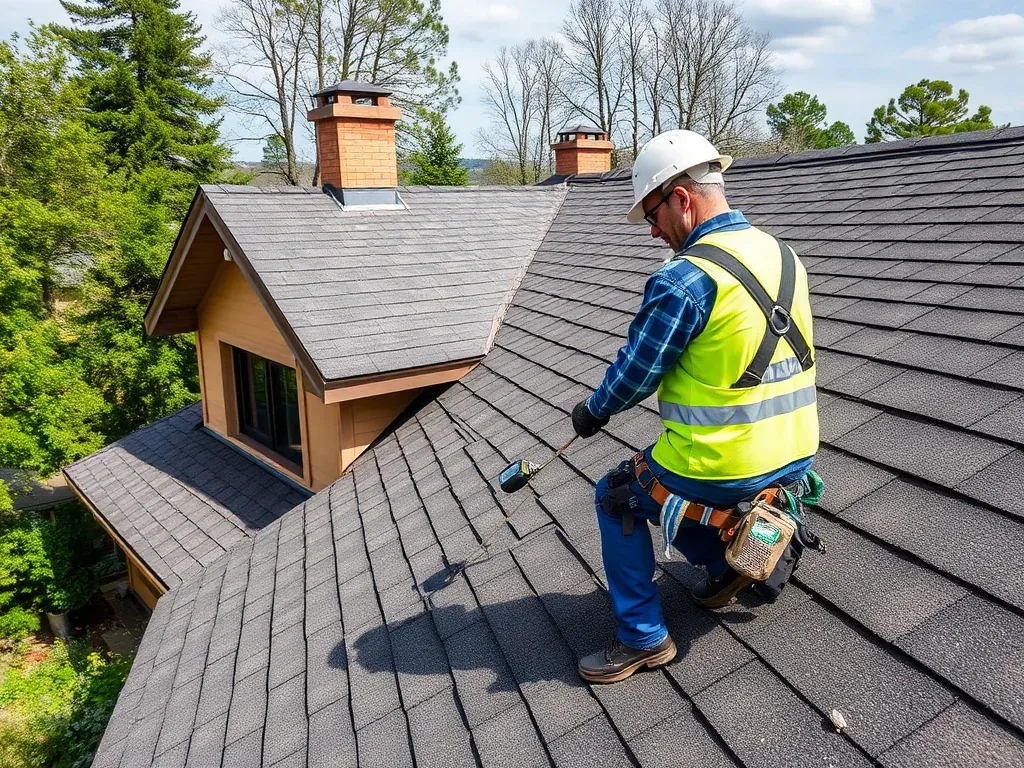
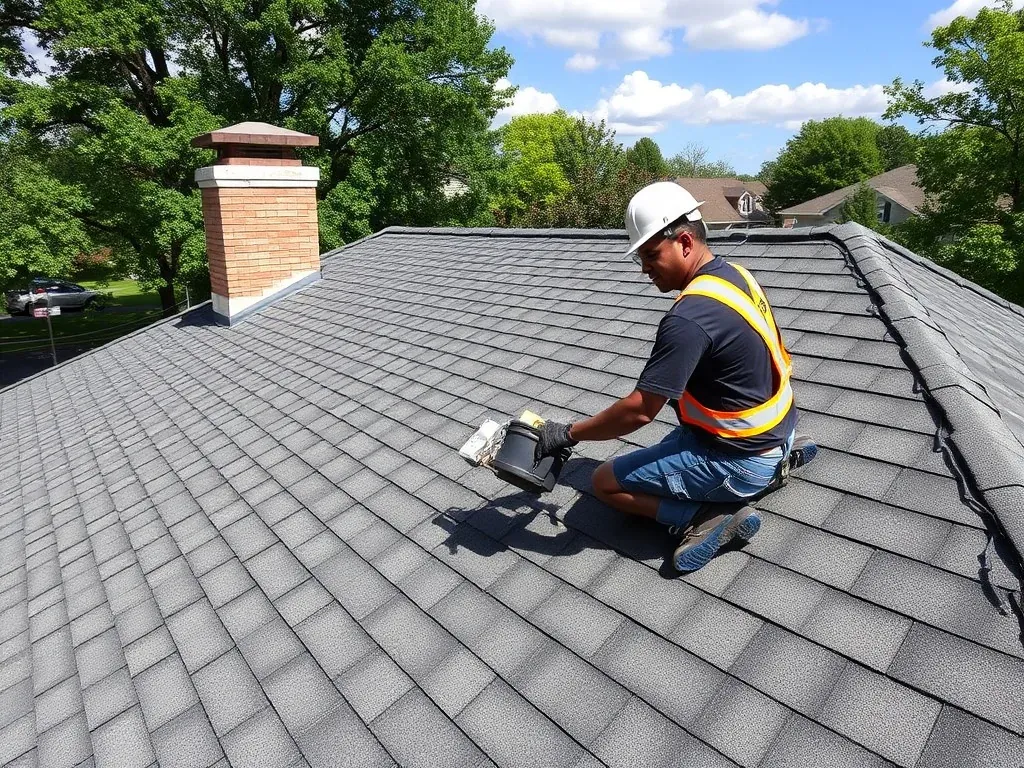
When a storm hits or a branch pierces your roof, the job starts with one goal: stop the water. Emergency repair means rapid tarping, temporary sealing, and debris removal to prevent deeper water intrusion into the roof deck and framing.
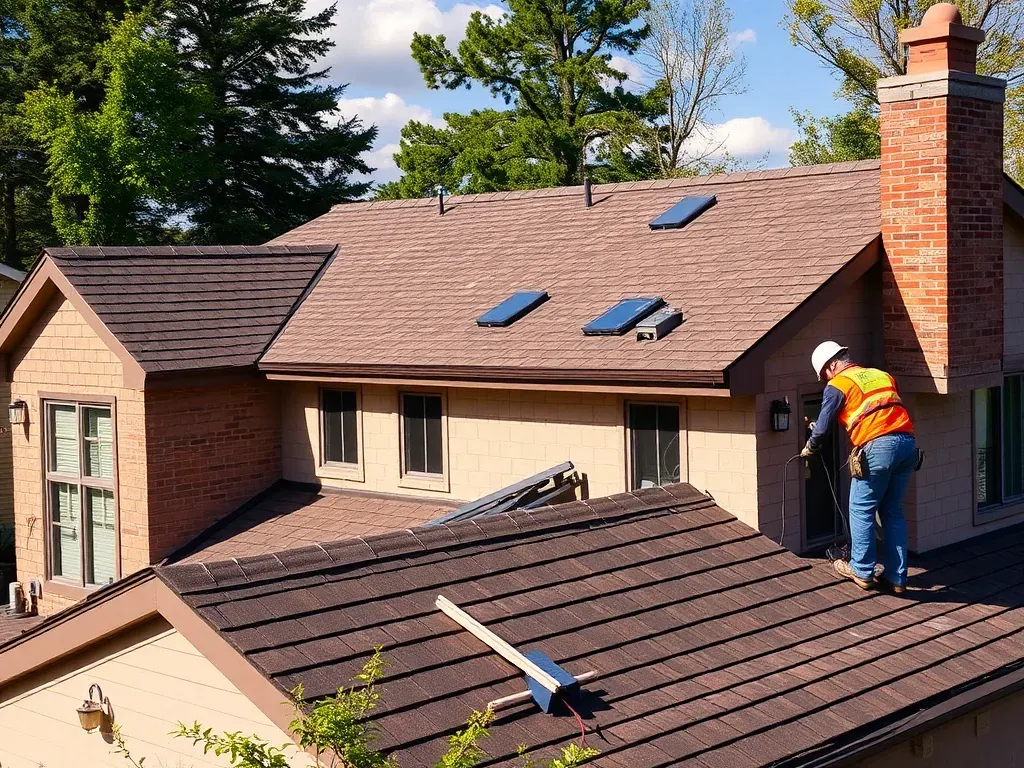
We deploy reinforced emergency tarps over torn shingles, damaged flashing, and chimney leaks. Temporary sealants and roof cement seal gaps around pipe boots and vent flashing. The tarp stays in place through rain and wind, protecting the underlayment and ice-and-water shield below.
A temporary repair buys time for your insurance claim. Permanent repair follows once your adjuster approves coverage—that's when we replace damaged shingles, flashing, and decking to match the original roof's building code standards.
Signs You Need Emergency Repair
Storm damage doesn't announce itself politely. Watch for these urgent warnings:
- Active water dripping or seeping into the attic or interior ceilings during rain.
- Visible missing shingles or torn sections after high winds or hail events.
- Hail strike marks and granule loss scattered across the ground and in gutters.
- Tree branches lying across the roofline or punctures visible in the roof deck.
- Exposed underlayment, ice-and-water shield, or plywood sheathing from wind uplift.
- Chimney flashing pulled away from the chimney or counter-flashing cracked at the base.
Our Emergency Response Process
- Same-day arrival (within 2 hours): A crew with tarps, safety equipment, and ladders assesses damage scope and urgency.
- Damage documentation: We photograph torn shingles, flashing damage, chimney issues, pipe boots, drip edge damage, and debris for your insurance adjuster.
- Emergency tarping: Heavy-duty tarps seal over affected shingles, valleys, and chimney flashing to shed water and prevent attic mold.
- Temporary repairs: Sealants and roof cement patch minor gaps; cracked pipe boots and vent flashing are re-sealed.
- Debris removal: Broken branches, saturated debris, and loose granules are cleared from the roof edge, gutters, and fascia.
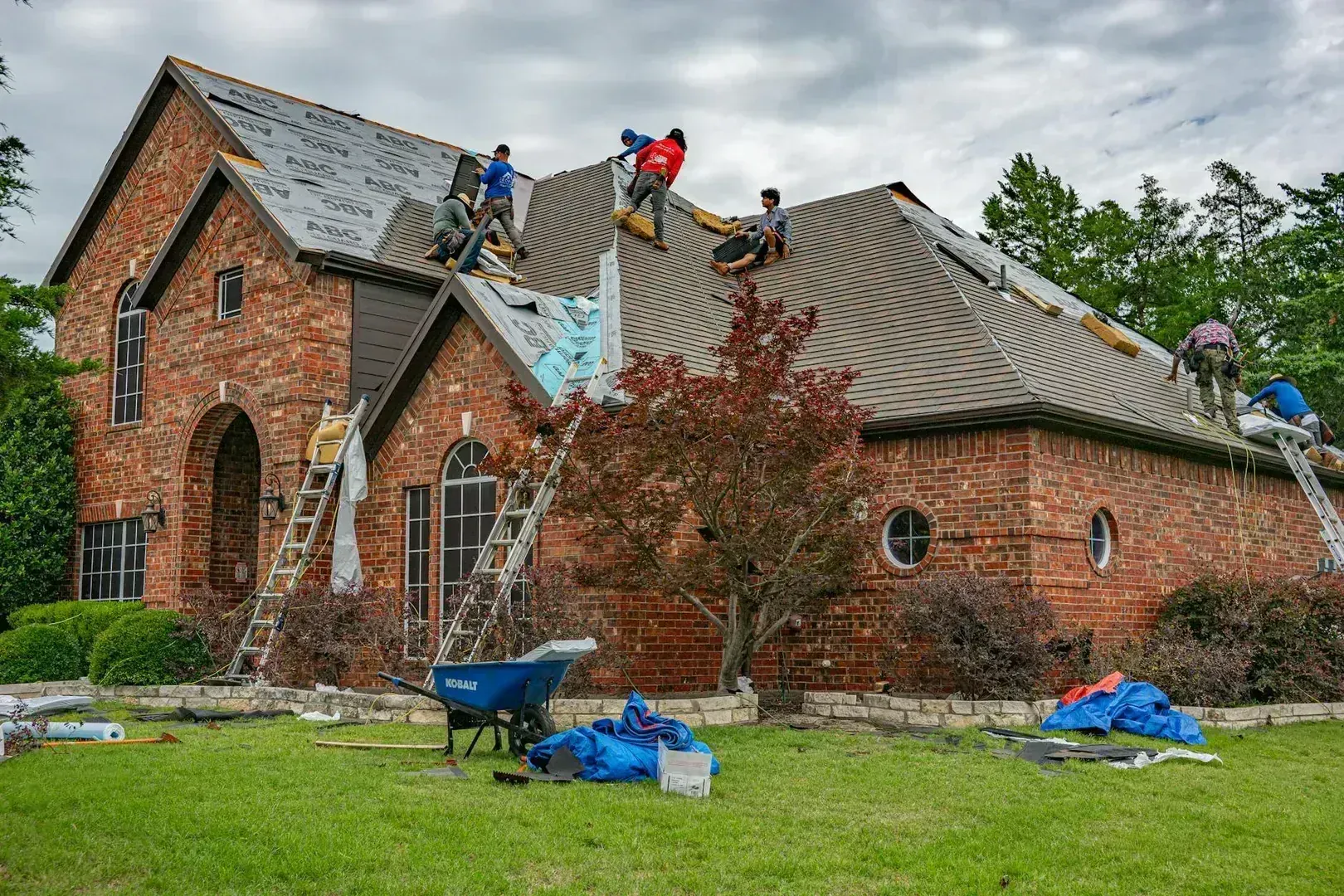
- Permanent repair scheduling: Once insurance approves your claim, we schedule the full repair—tear-off, decking inspection, replacement shingles, step flashing, and ridge cap installation.
Materials Used in Emergency Stabilization
Emergency tarps must be heavy-gauge reinforced polyester, not thin plastic. We secure them with ring-shank nails, fasteners, and clamps to prevent wind lift and flapping. Temporary sealants are non-permanent and non-fire-rated; they're replaced with permanent sealant during full repair.
Permanent materials include architectural or three-tab replacement shingles (matched to original), roofing felt or synthetic underlayment, ice-and-water shield at eaves and valleys, reseal of step flashing and counter-flashing at chimneys, and repair or replacement of pipe boots and vent flashing. Any compromised roof deck (plywood or OSB sheathing) is replaced before new shingles are installed.
Cost Considerations in Hillsborough
Tarping and temporary repair typically runs $300–$800 depending on roof pitch, affected sections, and accessibility. Permanent repair depends on damage extent: single-shingle patches run $150–$400; a 10-shingle section with flashing damage costs $800–$2,000; full roof replacement after major storm damage averages $6,000–$15,000.
Insurance often covers storm damage after your deductible. We help file the claim, coordinate adjuster inspections, and manage supplemental claims if damage is more extensive than initially scoped.
Warranty & Insurance Claims
All permanent repairs carry a 10-year workmanship warranty. Replacement shingles carry 25–30-year manufacturer warranties. We handle insurance coordination: detailed damage reports, adjuster scheduling, and supplemental claim management. Our roof estimate includes line-item detail for insurance approval.
Why Choose Hillsborough Roofing Pros
We're licensed and insured roofers serving Somerset County, including Clover Hill, Hillsborough Village, Country Club Estates, and Manville Manor. Heavy snow and ice dam risks in winter make spring leak discovery common. Frequent thunderstorms with hail in spring and summer cause sudden shingle loss and flashing damage.
Humid summers promote algae and moss growth on older shingles, weakening granules before a storm strikes. Mid-century ranch and split-level homes from the 1950s–1970s often have older aluminum flashing and decking; newer colonial homes need architectural shingle matches. Historic farmhouses near Blackpoint and Neshanic Station may have slate or wood shake roofing requiring specialist repair. We assess your roofline, truss configuration, gable details, and fascia condition before estimating—no generic repair.
Signs You Need Emergency Roof Repair
Active Leak During Storm
Water dripping or seeping into attic or interior walls during rain means the roof has a puncture, tear, or compromised flashing. This is the most urgent sign; call immediately to prevent mold growth in framing and insulation.
Missing or Torn Shingles
High winds in Hillsborough's spring thunderstorms can tear asphalt shingles or tear-off entire sections, exposing the underlayment and ice-and-water shield below. Missing shingles must be tarped before the next rain.
Hail Strike Marks
Soft metal hail in summer storms leaves impact marks and cracks in shingle granules; damaged areas wick water and accelerate leaks within weeks. Document marks for your insurance adjuster.
Tree Branch Impact
A fallen branch can puncture the roof deck or tear flashing at chimney and vent penetrations. Even if the hole seems small, the surrounding underlayment is often compromised and needs professional assessment.
Chimney Flashing Separation
Storm wind can pull step flashing and counter-flashing away from chimney brick, creating a gap where water wicks down into the attic. This often goes unseen until ceilings stain.
Granules and Debris in Gutters
Hail or wind impact dislodges shingle granules into gutters and downspouts; heavy granule loss weakens shingle integrity and signals imminent or recent hail damage. Check after every storm.
What's Included
- ✓ 24-hour emergency response with crew arrival within 2 hours of your call.
- ✓ Emergency tarping and temporary sealant to stop water entry into the attic and decking.
- ✓ Detailed damage documentation with photographs for your insurance adjuster and claim filing.
- ✓ Debris removal from roof edges, gutters, and fascia to restore drainage.
- ✓ Roof inspection to assess full extent of damage and identify hidden issues.
- ✓ Coordination with your insurance carrier and scheduled follow-up permanent repair once claim is approved.
Related Services
Ready to get started? Call us today at 9086766663 for a free estimate.
☎ Call 9086766663